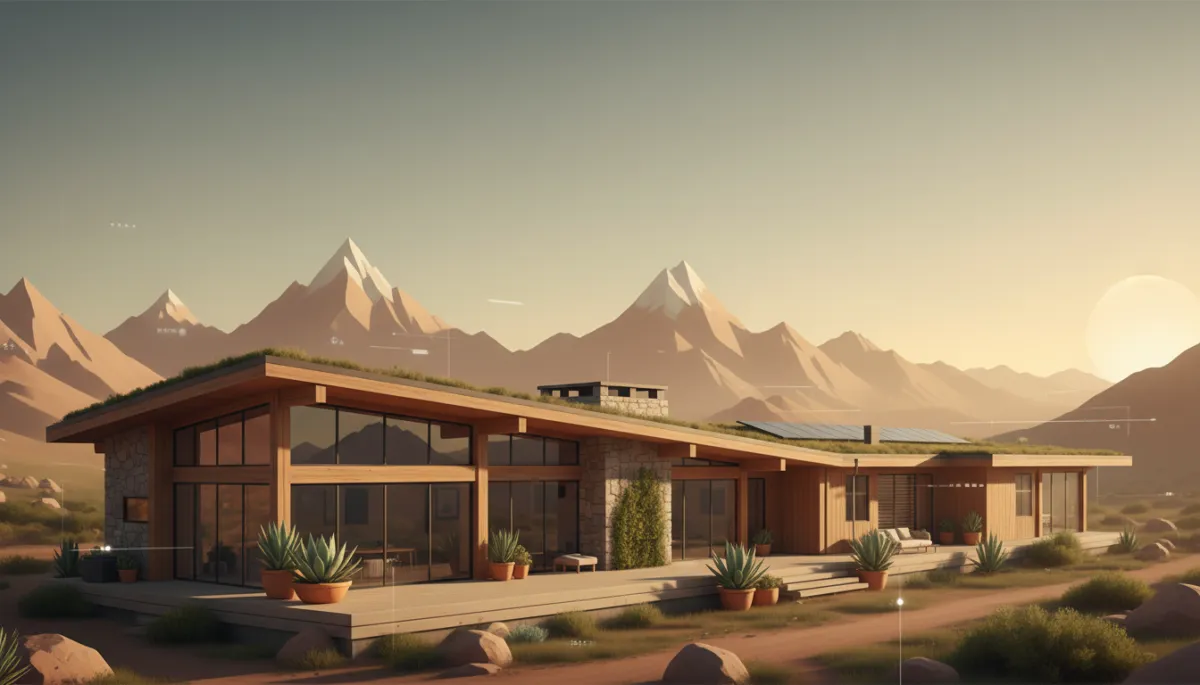
Sustainability Trends in Utah Real Estate Media
Sustainability in Real Estate Media: Bold New Trends for Utah Listings
Sustainability is no longer a soft talking point in real estate—it is a hard market driver, and Utah listings are becoming a global showcase for how eco‑friendly homes, powerful media, and green building trends collide to create serious value.
Utah Is Quietly Becoming a Sustainability Powerhouse
Forget the stereotype of Utah as just ski resorts and red rock postcards. The state is rapidly positioning itself as a bold testbed for Sustainability in housing—and smart real estate media is amplifying that shift to a global audience. In 2025, more than 40% of new residential builds around Salt Lake City included rooftop solar, and developers aggressively adopted smart irrigation, xeriscaping, and rainwater harvesting to confront drought head‑on.
This is not fringe experimentation. Utah’s construction value hit $13.5 billion in 2025, up 10.1% year‑over‑year, with residential builds accounting for $6.8 billion. When that level of spending starts tilting toward green building trends—smart home energy systems, healthy materials, and net‑zero energy design—you get a market that demands equally bold, sustainability‑focused real estate media to keep up.
Why Sustainability Sells: From Niche Feature to Core Value Proposition
Globally, the buildings and construction sector is responsible for about 37% of energy‑related emissions (GlobalABC 2025–2026). That’s not a side issue—that’s the main event. Buyers, investors, and regulators know it, and they are rewarding properties that take decarbonization seriously. In commercial markets, roughly 30% of REALTORS® report that LEED or Energy Star certifications are already pushing property values higher (NAR).
Utah is riding this wave with conviction. Eco‑friendly homes are no longer “nice to have” here; they’re a strategic answer to brutal affordability pressures. With median prices hovering around $510,000 and a severely unaffordable price‑to‑income ratio of 5.2 (ERG 2026), buyers are laser‑focused on monthly cost of ownership. High‑efficiency HVAC, insulation, and windows aren’t just green—they’re survival tools. When Utah listings showcase these features boldly and clearly, they win attention fast, including from international buyers hunting for long‑term value.
Eco‑Friendly Homes Need Media That Proves the Numbers, Not Just the Aesthetics
A sun‑drenched kitchen shot is no longer enough. Today’s buyers want to see, feel, and almost calculate the sustainability story through the screen. That demands a new generation of real estate media built specifically for eco‑friendly homes and global scrutiny.
Data‑infused visuals: Drone footage of rooftop solar backed by on‑screen overlays showing estimated annual kilowatt‑hour production and projected bill savings over 10 or 30 years, using local solar data (Utah solar produced nearly one‑third of the state’s electricity in May 2026 Reddit).
Water‑wise storytelling: Close‑ups of xeriscaping, smart irrigation controllers, and rainwater harvesting systems, paired with captions that call out water savings in Utah’s drought‑stressed climate.
Health‑first interiors: Cinematic walkthroughs that highlight low‑VOC finishes, advanced filtration, daylighting, and quiet, efficient mechanical systems—key wellness features buyers increasingly prioritize over cosmetic upgrades (inside.homutah.com).
The most effective media doesn’t whisper about sustainability—it broadcasts it with unapologetic clarity. Every photo series, every 3D tour, every short‑form video should be engineered to answer a blunt question for buyers: “How will this home cut my costs, protect my health, and reduce my footprint?”
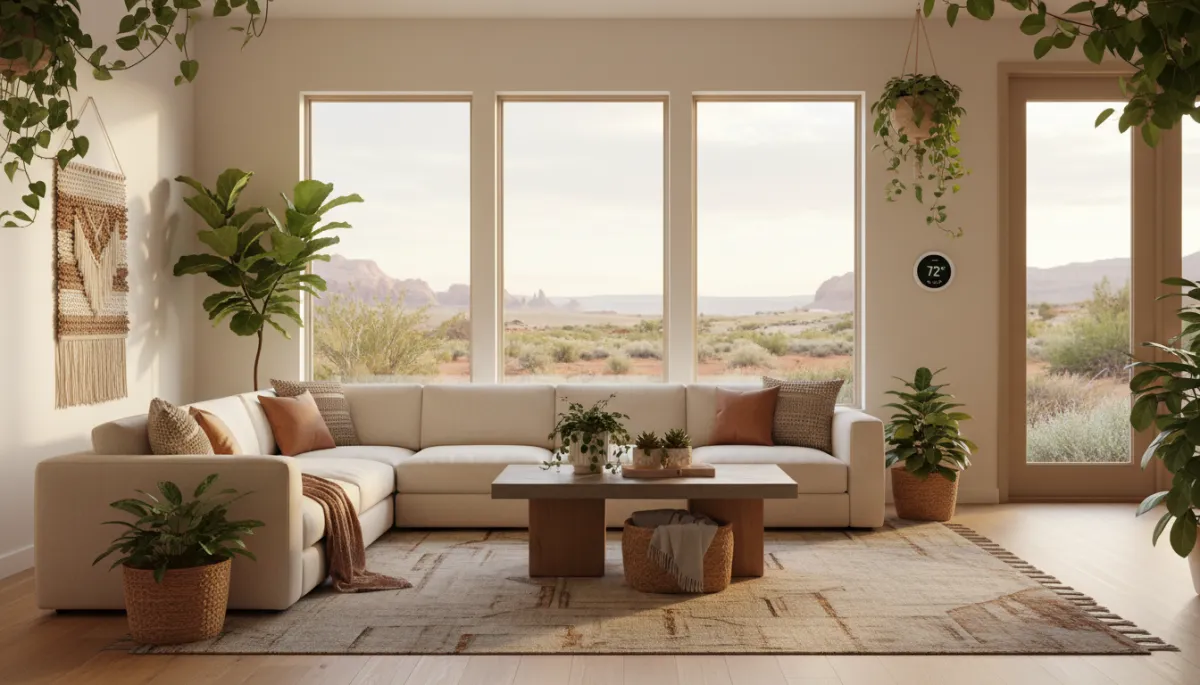
High‑impact visuals that spotlight comfort, light, and efficiency turn green features into must‑have benefits.
Green Building Trends in Utah That Deserve the Spotlight
Utah’s green building trends mirror global shifts toward regenerative, high‑performance design, but with a sharp local twist shaped by altitude, seismic risk, and water scarcity. Smart media teams are mining these trends for bold narratives that resonate worldwide.
1. Net‑Zero and Net‑Zero‑Ready Homes
Developers across the Wasatch Front are leaning into net‑zero design—homes that generate as much energy as they consume. Utilities and nonprofits are still backing net‑zero‑ready initiatives, even with trimmed budgets (pscdocs.utah.gov). For media creators, that means it’s time to stop treating “net‑zero” as an abstract buzzword and start proving it visually and numerically in every Utah listing that qualifies.
2. Smart Home Energy Management as Standard, Not Luxury
Smart thermostats, automated lighting, and real‑time energy dashboards are exploding in demand across Utah’s new builds (danarealtorutah.com). Globally, hyper‑smart buildings are a defining feature of 2026 green architecture, with AI‑driven climate control and predictive maintenance becoming mainstream (AIACT 2026). Utah’s media must show these systems in action: close‑ups of interfaces, short clips of automated shades tracking the sun, or split‑screen comparisons of typical versus optimized energy usage.
3. Water‑Wise, Resilient Landscapes
With Utah’s climate realities, thirsty lawns are out; native plants and xeriscaping are in. Green architecture research underscores water efficiency as a critical urban trend—smart fixtures, greywater reuse, and leak detection are moving from novelty to necessity (SectorWire Global). Utah listings that flaunt drought‑tolerant yards, permeable hardscapes, and rain gardens can command global attention if media captures them with the same glamour once reserved for manicured turf.
4. Whole‑Home Wellness as the New Luxury Signature
Utah’s high‑end market is charging ahead with wellness‑driven developments, like Tri Pointe Homes’ LivingWell™ models in Holladay, featuring tankless heaters, low‑VOC materials, and heat‑recovery systems (utahbusiness.com). Around the world, biophilic design and healthy materials are generating real financial returns, including measurable boosts in productivity and property value (coradvisors.net). Utah’s luxury listings can and should leverage bold, sensory‑rich media—lingering shots of clean air vents, quiet bedrooms, spa‑like bathrooms, and lush indoor greenery—to turn wellness into a visceral selling point.
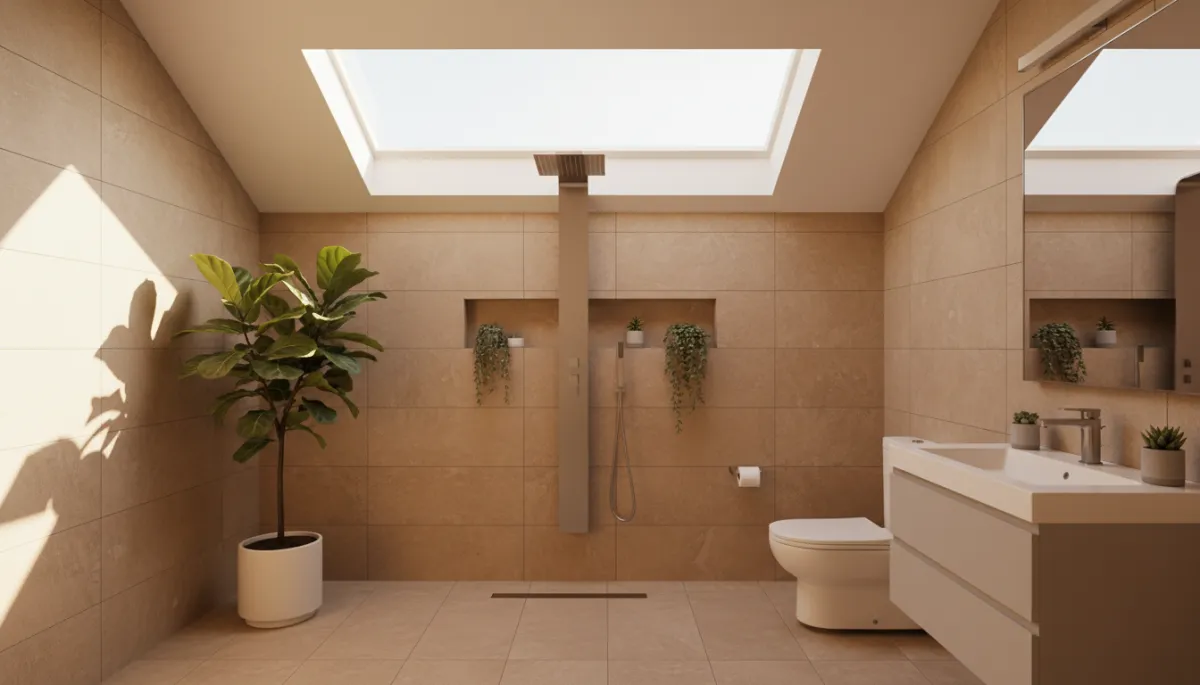
Wellness-focused spaces photographed with clarity make sustainability feel tangible, not theoretical.
Sustainable Marketing: Stop Hiding the Green Story in the Fine Print
A sustainable home with weak marketing is a missed opportunity. Sustainable marketing in real estate means building campaigns where sustainability is the headline, not a postscript. Utah agents and media teams targeting a global market need to push harder, be clearer, and back every claim with evidence.
Lead with metrics: Start listing descriptions with quantifiable benefits—“Projected to save $1,800 per year in utilities,” “Designed to meet net‑zero energy standards,” or “Modeled 40% lower water use than code baseline.”
Map features to real‑life outcomes: Don’t just list “triple‑pane windows.” Say “triple‑pane windows for quieter interiors and lower heating bills during Wasatch winters.”
Show the financing upside: Utah’s green mortgages and incentives can materially change affordability. Media assets should highlight scenarios where buyers leverage eco‑friendly financing to lock in lower long‑term costs (danarealtorutah.com).
💡 Bold Move: Treat every sustainable feature like a headline product benefit—name it, frame it, and prove its impact with visuals and numbers.
Turning Utah Listings into Global Sustainability Case Studies
Utah has a rare opportunity: it sits at the intersection of aggressive population growth, severe housing pressure, and rising climate ambition. The state needs more than 840,000 new homes over the next 30 years and faces a projected shortfall of roughly 235,000 units (luau.utah.gov). If those homes follow the low‑ or zero‑emission guidance in Utah Clean Energy’s Builder Toolkit, families could save nearly $5 billion in energy costs over 30 years (Utah Clean Energy).
That is a story the world needs to see—and real estate media is the storytelling engine. Global investors hunting for resilient, future‑proof assets are already tracking certifications like LEED, WELL, and LEED Zero, along with tools such as the Journey to Net Zero™ Compass (USGBC, GBI). Utah listings that visually document energy performance, material choices, and resilience strategies can position themselves as textbook examples of sustainable development in a volatile climate era.
Practical Media Playbook for Sustainable Utah Listings
To translate Sustainability into market power, Utah agents, developers, and media teams should adopt a disciplined, high‑impact approach. Here is a bold, practical checklist tailored to eco‑friendly homes and a global audience:
Audit the property’s green story. Capture every sustainable element—from insulation levels and window specs to solar array capacity, water systems, and indoor air quality features. If it cuts emissions or costs, it belongs in the narrative.
Design a media shot list around sustainability. Plan drone passes over solar roofs, twilight shots that show thermal comfort, macro shots of smart controls, and daylight‑rich interior sequences that scream efficiency and wellness.
Integrate overlays and infographics. Layer simple, legible stats directly onto photos and video clips: “Estimated HERS score,” “Modeled energy savings vs. code,” “Low‑flow fixtures save ~15,000 gallons/year.”
Localize for global viewers. Explain Utah‑specific advantages in universal terms—high solar yield, low heating demand due to envelope performance, resilient design for seismic zones, and access to community solar or clean‑energy tariffs.
Align visuals with certifications and tools. If the project follows LEED, Passive House, or net‑zero frameworks, build short explainer clips that connect on‑screen spaces to those standards. Show how the home is tracking toward verifiable performance, not just promises.
The Bottom Line: Utah’s Sustainable Listings Must Dare to Lead
The global real estate market is shifting from “nice green extras” to uncompromising expectations around energy, water, health, and resilience. Utah is already moving in that direction—with community‑scale solar, Energy Star neighborhoods like Daybreak, net‑zero pilots, and a statewide push for low‑emission housing. The missing link is not more technology; it is bolder, smarter real estate media that turns these advances into undeniable value for buyers and investors worldwide.
If you are marketing Utah listings today, you have a choice. You can treat sustainability as a footnote—or you can build campaigns where eco‑friendly homes, green building trends, and sustainable marketing are the backbone of your story. The first path keeps you invisible in a crowded feed. The second turns your listings into global benchmarks for what the next generation of housing should look like: efficient, resilient, healthy, and proudly, visibly sustainable.
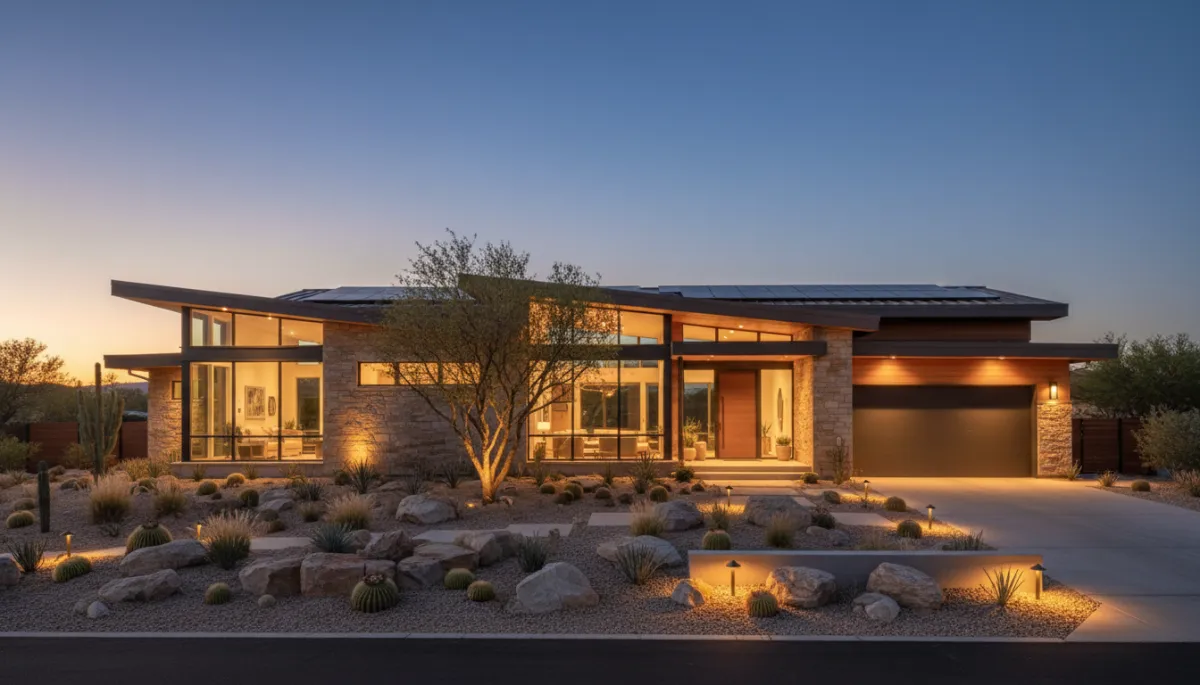
When media captures performance and beauty together, sustainable Utah homes command global attention.
Make Your Next Utah Listing Stand Out
Great listings deserve great visuals. From professional real estate photography and drone imagery to video tours, floor plans, virtual staging, and more, DMD Real Estate Photography helps Utah agents showcase properties at their best.
Ready to make your next listing more impressive and market-ready? Book your professional real estate media services today and give your property the attention it deserves.
